
IPEK Center Hosts International Mother Language Day Panel at the University of Toronto
February 23, 2026 - IPEK Center
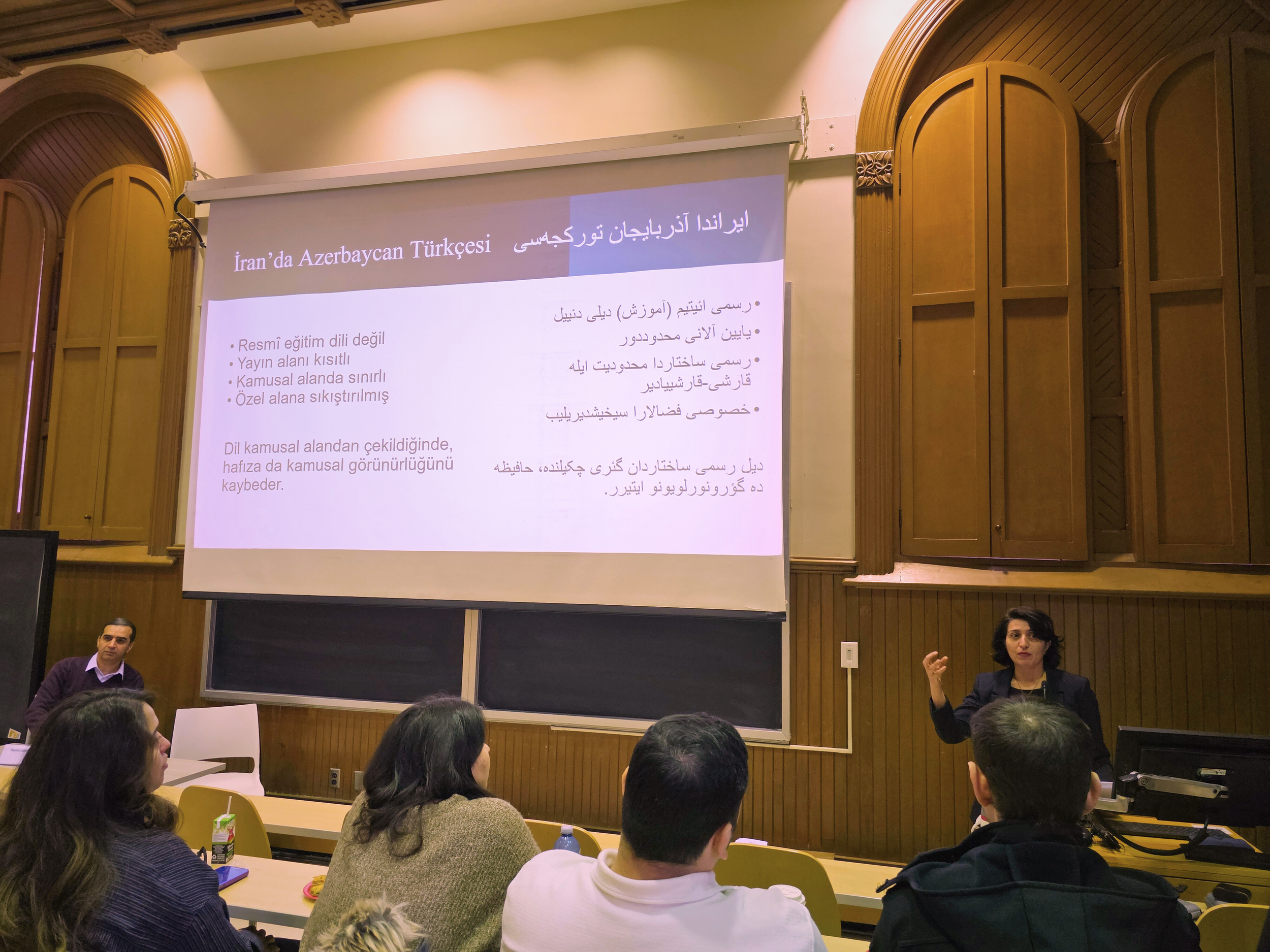
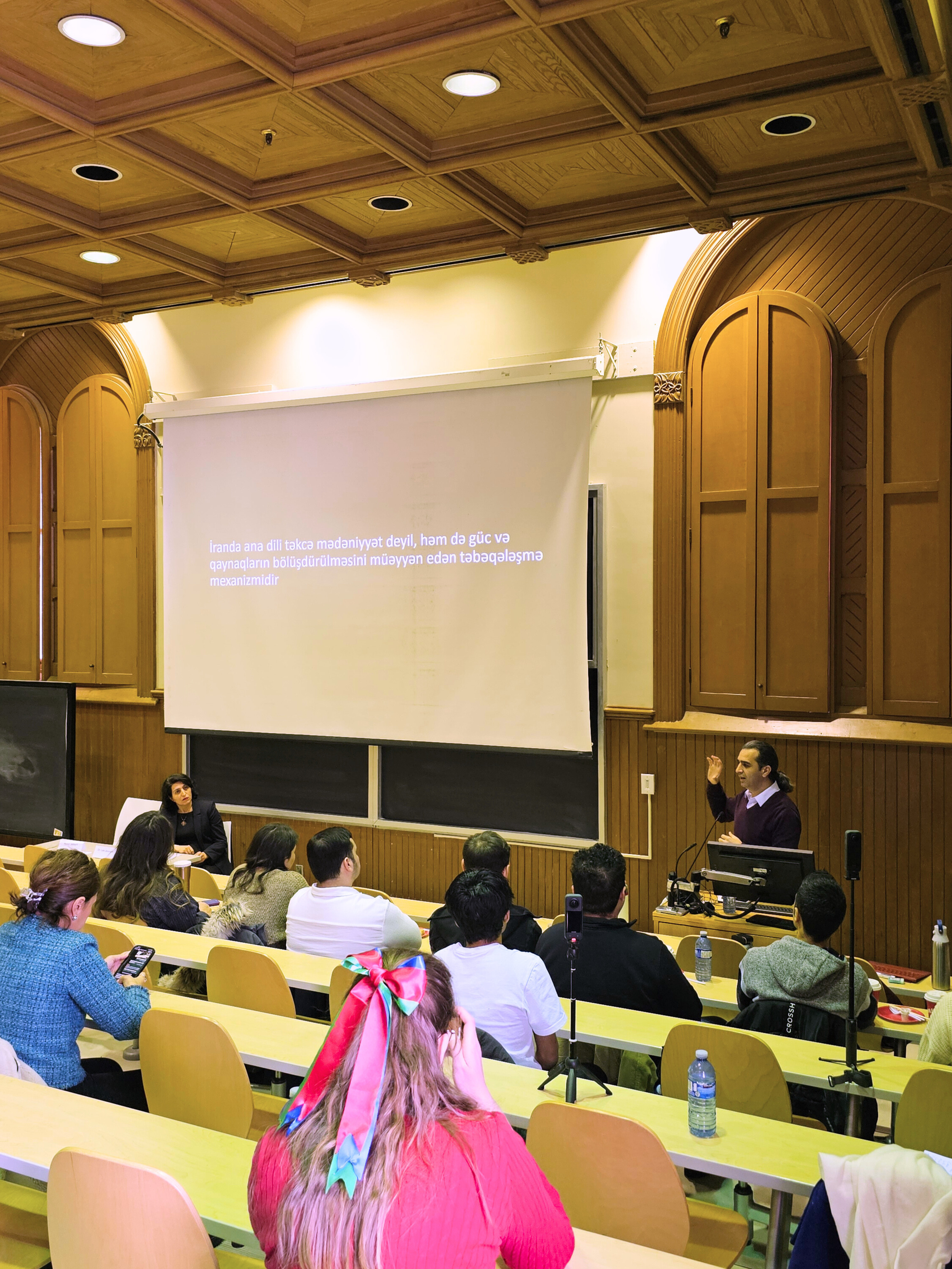
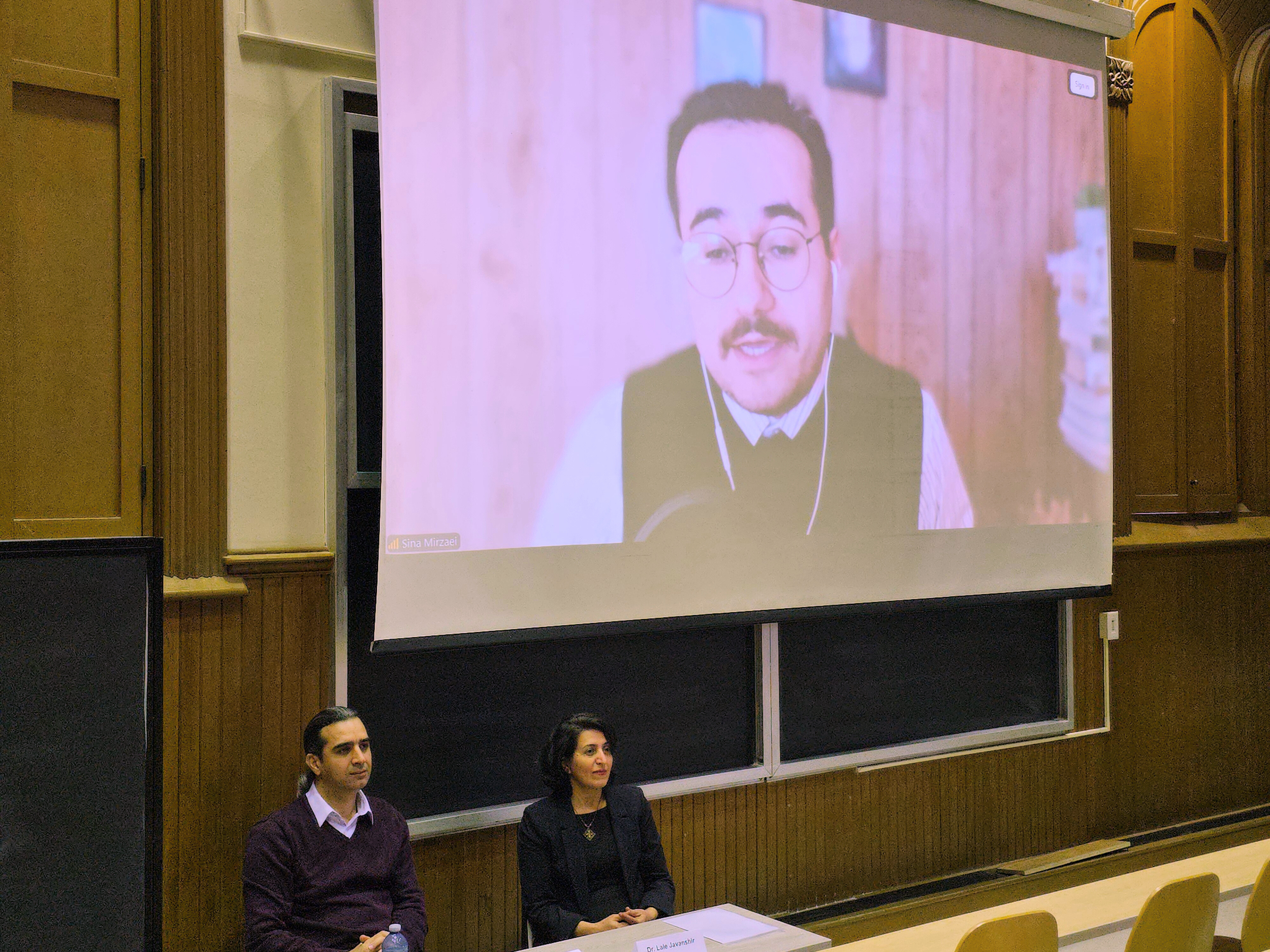
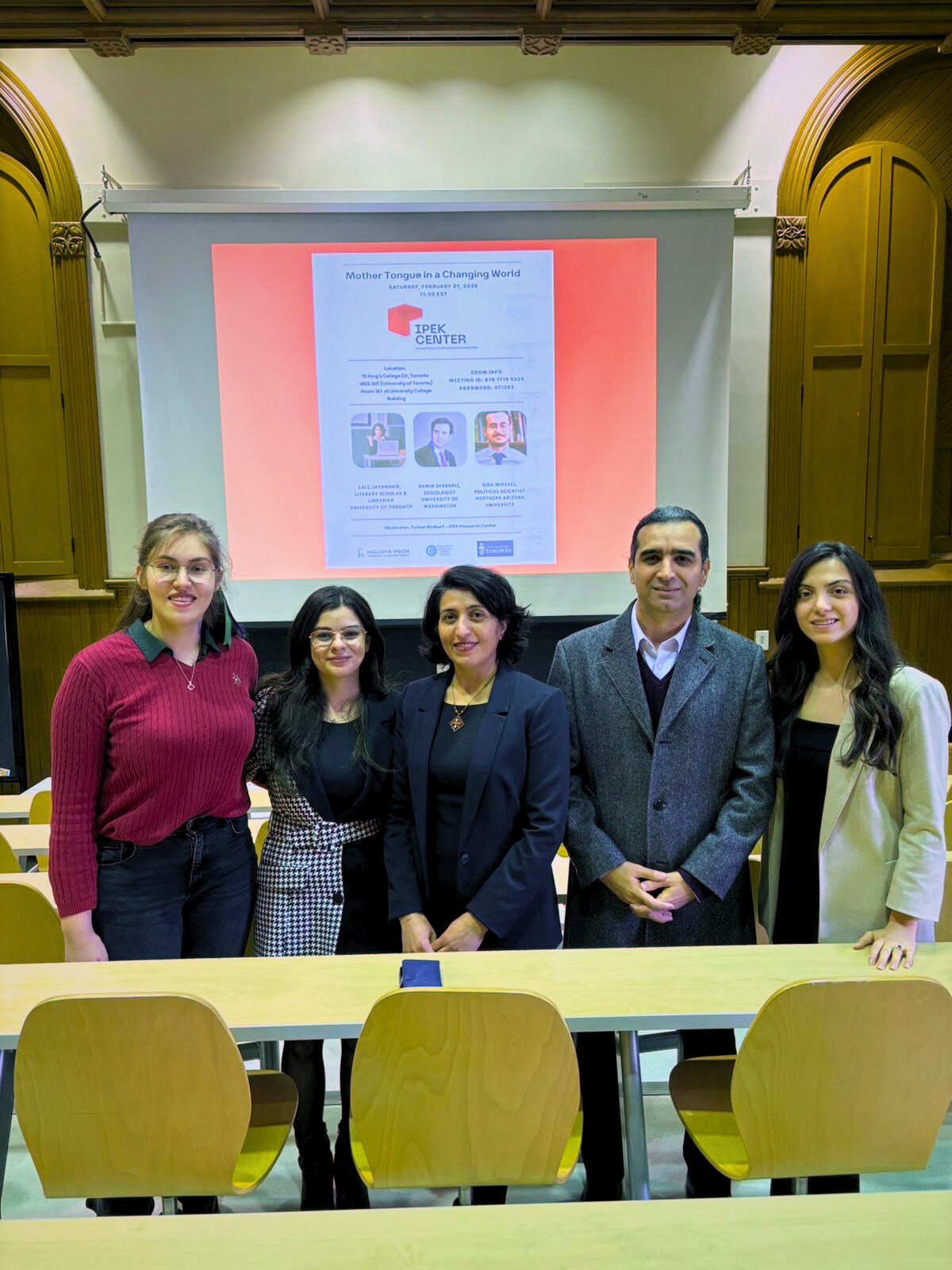
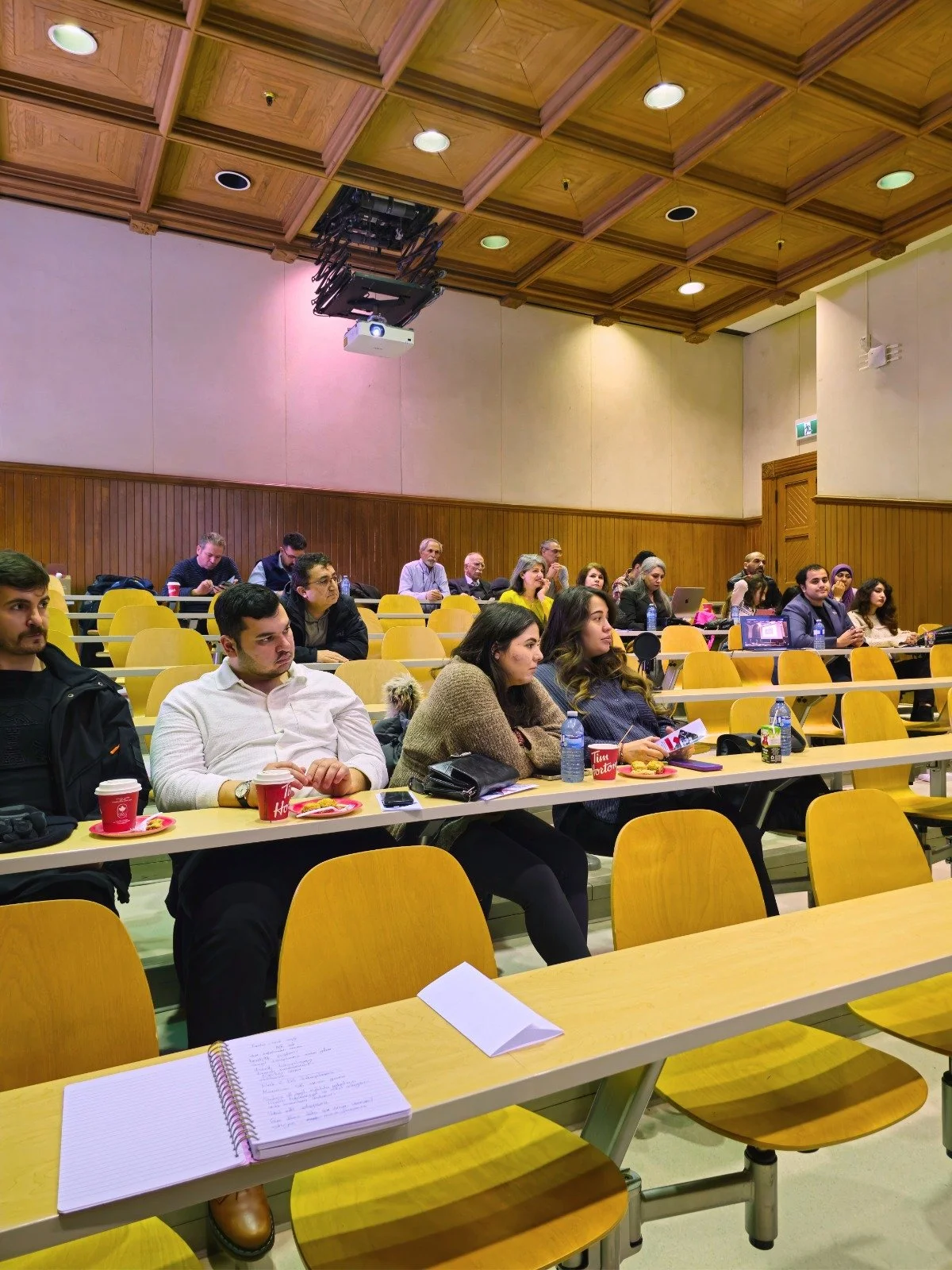
On International Mother Language day, February 21, 2026 IPEK Center organized a panel discussion titled “Mother Tongue in a Changing World” at the University of Toronto. This event brought together academic panelists and participants from various backgrounds to discuss the importance of education in mother tongue.
In her opening remarks, our deputy director Turkan Bozkurt introduced IPEK Center to the audience and explained the history of the day based on the Bengali language movement in then East Pakistan, now Bangladesh.
Ramin Jabbarli, PhD candidate in Sociology at the University of Washington shared his trends analysis on how ethnic diversity has, over time, been institutionalized into ethnic-based social stratification that restricts access to political representation. He shared findings from a century-long dataset (1925–2024) which documents the shrinking rate of political representation of ethnic minorities in Iran’s national politics.
Dr. Lale Javashir, a scholar and librarian at the University of Toronto, described language as a community’s shared oral memory and highlighted literature’s role in sustaining history and collective remembrance. Exploring poetry and novels, she offered concrete examples of how historical events and lived experience are preserved and transmitted across generations.
IPEK Center Director and PhD candidate at Northern Arizona University, Sina Mirzaei, discussed mother tongue sustainability for stateless languages in a globalized economy by showing how a language’s prospects are shaped by its social and political status. He argued that a language’s prospects depend on where it can be used within institutions and whether it is recognized as a written language across key domains. He also emphasized that formal recognition alone rarely produces revitalization without a broader shift in public attitudes, especially within intellectual discourse that shapes whether speaking and writing in the mother tongue is seen as necessary.
The seminar concluded with a Q&A session involving both in-person attendees and participants joining via Zoom, which allowed for further clarification and exchange across the themes raised by the panelists.
IPEK Center thanks all speakers and attendees for their contributions to a constructive discussion on the role of mother tongue education in shaping cultural continuity and access to public life.